Showing posts with label blood sugar. Show all posts

Saturday, March 3, 2012

Sugar is not the Only Killer - with Your Online Pilates Coach

Did you ever wear a ring and notice that it left a grey mark on your finger? Do you have bad breath especially in the morning? Get heartburn easily?

If you’re like most people in the U.S., your body has become a too acidic. Your cells have a pH level which is below the best balance for optimal function. So why is that a problem? Too much acid will:
  • decrease the body's ability to absorb minerals and other nutrients
  • make it more susceptible to fatigue and illness
  • decrease its ability to repair damaged cells
  • decrease its ability to detoxify heavy metals
  • decrease the energy production in the cells
  • make tumor cells thrive
Before panicking, there are many things you can do today to lower your pH. Count this blog as a blessing! Your body can be “fixed” and maintained. You don’t have to memorize an entire food chart. Just understand what generally falls into each category. Science disagrees on some classifications but the extremes are clear.

If you are working out regularly or doing pilates exercises with me, you are producing more acid for your body to attempt to neutralize. Acidic bodies don't have as much energy. If your taking "power drinks" like Red Bull or Mountain Dew, or 5 Hour Energy, you probably see a pattern of crashing with exhaustion or a tendency to "sleep in."

You may want to pick up some pH test strips from the drug store if you are really concerned. The higher the pH number, the more alkaline your body is. And that’s a good thing.

It is important to note that some foods may seem acidic, but in the body, they are alkaline forming. Take a fruit like a lemon. It is certainly acid. But when the body digests it, it has the effect of raising your PH or "alkalizing." Now you know there is a difference between alkaline forming foods and just plain alkaline foods.

Also, the alkalinity or acidity of food can change depending if it is eaten raw or cooked. Most veggies help the body to alkalize if eaten raw, and some veggies are considered less acidic if eaten with their skins, like potatoes.

Our pH level is all about what we’ve been putting into our bodies over time. The All American diet is extremely acidic. If you are implementing my messages in the articles thus far, your pH balance is certainly improving! Keeping your blood sugar level stabile means not taking in lots of high GI foods.

Here are some easy ways to further alkalize your system:

  • Start out by really pushing alkaline producing foods and drinks, while eliminating the acid producers.
To get your pH numbers up, be deliberate about choosing alkalizing foods. Buy and drink alkalizing water. Remove artificial sweeteners from your home if possible. Use stevia, if anything. Take a few weeks without alcohol if you drink regularly. Lower your coffee intake. Eat proteins like whey (not isolate), yogurt, and raw almonds. Keep fresh veggies cleaned, sliced, and out in the open and munch on them throughout the day. Refer to the complete chart I’ve included below.

The general direction for choosing alkalizing foods is to increase most fruits, colorful vegetables, peas, beans, lentils, spices, herbal seasonings (not salt), seeds and nuts. This goes along with our new way of eating! Remember not to add any high GI fruit (these keep our body in a fat storing mode).
  • Add back acid producers carefully.
You can still eat beef or drink coffee, for example. We just need to set limits here. Get ready for my next blog, “The New Shop.” It will give you habit upgrades that will help you and yours for the long term!

We all need good fat and protein. Most of these are acid producing foods. Try eating more of the medium acid producers. For example, chicken (without the skin) is much less acid producing than beef. Add the fantastic habit of keeping crunchy delicious fresh veggies available, and that alone will go a long way toward maintaining a nice pH level.
  •  Add minerals.
 If you have been acidic for a while, your cells are likely depleted of many important minerals and trace minerals. You can drink mineral water and keep eating veggies, and take chelated absorbable minerals like calcium, magnesium, and even trace minerals like chromium and copper. A combination mineral supplement which has been made more absorbable through chelation is best.
  • The easy one: Drink more water.
You can buy alkalizing water, but just staying well hydrated throughout the day helps balance the pH of your cells. Clean and flush bad metals from the body. Help your cells to absorb the good minerals you will be taking.

If you are not in the habit of staying hydrated, try keeping clean water at room temperature reachable throughout the day. Don’t give yourself a quota of water consumption. Judge whether you are well hydrated by how often you need to use the bathroom. I know it can be an annoyance but we need to get up and stretch and move while working! Getting up for a quick bathroom break allows us to do that.

I’m not going to tell you how often you should be going but it should interrupt other things during the day. If you don’t remember the last time you went, your not doing so well.

Here is the best list I have found to help you understand which foods work best. Please remember, high glycemic foods are not good options. Notice that they are mostly located in the high acid producing category anyway.

Let’s look at some foods ranging from alkalizing to high acid producing.

Extremely Alkaline or alkaline forming:
Lemons, watermelon, Cantaloupe, cayenne, celery, dates, figs, kelp, limes, mango, melons, papaya, parsley, seaweeds, seedless grapes (sweet), watercress.

Asparagus, fruit juices, kiwifruit, passion fruit, pears (sweet), pineapple, raisins, umeboshi plums, and vegetable juices.

Moderately Alkaline:
Apples (sweet or sour), alfalfa sprouts, apricots, avocados, bananas (ripe), currants, dates, figs (fresh), garlic, grapefruit, grapes (less sweet or sour), guavas, herbs (leafy green), lettuce (leafy green), nectarine, peaches (sweet), pears (less sweet), peas (fresh, sweet), pumpkin (sweet), sea salt (vegetable).

Beans (fresh, green), beets, bell peppers, broccoli, cabbage, carob, cauliflower, ginger (fresh), lettuce (pale green), oranges, peaches (less sweet), peas (less sweet), potatoes (with skin), pumpkin (less sweet), raspberries, strawberries, squash, sweet corn (fresh), turnip, vinegar (apple cider).

Slightly Alkaline:
Almonds, artichokes (jerusalem), brussel sprouts, cherries, coconut (fresh), cucumbers, eggplant, honey (raw), leeks, mushrooms, okra, olives (ripe), onions, pickles (homemade), radishes, sea salt, spices, tomatoes (sweet), vinegar (sweet brown rice).

Chestnuts (dry, roasted), egg yolks (soft cooked), essene bread, goat's milk and whey (raw), mayonnaise (homemade), olive oil, sesame seeds (whole), soy beans (dry), soy cheese, soy milk, sprouted grains, tofu, tomatoes (less sweet), and yeast (nutritional flakes).

Neutral:
Butter (fresh, unsalted), cream (fresh, raw), cow's milk and whey (raw), margine, oils (except olive), and yogurt (plain).

Moderately Acidic:
Bananas (green), barley (rye), blueberries, bran, butter, cereals (unrefined), cheeses, crackers (unrefined rye, rice and wheat), cranberries, dried beans (mung, adzuki, pinto, kidney, garbanzo), dry coconut, egg whites, eggs whole (cooked hard), fructose, goat's milk (homogenized), honey (pasteurized), ketchup, maple syrup (unprocessed), milk (homogenized).

Molasses (unsulfured and organic), most nuts, mustard, oats (rye, organic), olives (pickled), pasta (whole grain), pastry (whole grain and honey), plums, popcorn (with salt and/or butter), potatoes, prunes, rice (basmati and brown), seeds (pumpkin, sunflower), soy sauce, and wheat bread (sprouted organic).

Extremely Acidic:
Artificial sweeteners, beef, beer, breads, brown sugar, carbonated soft drinks, cereals (refined), chocolate, cigarettes and tobacco, coffee, cream of wheat (unrefined), custard (with white sugar), deer, drugs, fish, flour (white, wheat), fruit juices with sugar, jams, jellies, lamb.

Liquor, maple syrup (processed), molasses (sulphured), pasta (white), pastries and cakes from white flour, pickles (commercial), pork, poultry, seafood, sugar (white), table salt (refined and iodized), tea (black), white bread, white vinegar (processed), whole wheat foods, wine, and yogurt (sweetened).

You now have enough basic understanding to help you to move in a better direction of balance throughout your body. I know it's a lot to take in. If it's a bit much, just focus on keeping those fresh veggies available, drinking more water, and choosing low acid protein.

Take home point: Not spiking your blood sugar or letting it dip is again confirmed as our most healthy lifestyle upgrade and gives the most bang for the buck!

You can comment here or more directly from the contact us page on my fitness membership. Pass this on to a loved one or friend who may benefit!

Wednesday, August 17, 2011

The Tyranny of Cravings with Your Online Pilates Instructor

“I know. She’s going to tell me to eat low carb.”

Let me put it this way, If an alchoholic checks into rehab, does the treatment team say, “Lets tell the patient that he can only drink martinis?"

That is what our many diet experts have been saying by recommending fat free low calorie snacks and fruit to people who sincerely want to eat right but have become addicted to spiking their blood sugar. In our respect for these educated professionals, many of us have unwittingly increased our cravings and gained weight.

Reducing cravings is a matter of training our body to release more of the satiety and fat releasing hormones that are right there for you. You don’t have to take medications to reduce cravings. The reason that we crave is completely physiological.

The reasons you feel like eating when your body doesn’t need it are part of the thinking/feeling side of weight addressed in my Reflections for Weight Loss video series. Part three is coming soon.

The fact is that learning to stabilize our own blood sugar 24/7 is by far the most important thing we can do for our overall health. Yes, more important than eating "low fat." Our health care system is overwhelmed with people who have diseases resulting from too many high glycemic foods in their diet.

Some of the things I hear most often from my pilates students who struggle with weight are, “I eat a lot of fruit.” and “I don’t eat breakfast.” or “I eat a banana for breakfast.”

If you want to keep following the “I only eat when I feel like it” diet, you are not ready enough, not really eager and open enough to receive the new body and resulting health that are there waiting for you. One of my beginner mat pilates students just reported, "I've just been trying to follow your basic suggestions and people are saying I look like I've lost weight."

I eat protein every morning. Do I always feel hungry at that time? No. But I know that eating this way will make me feel alert and eat less for the rest of the day. Do I feel like having a mini meal at 4:00 pm? Not always. But I have learned to look forward to that time to sit for a few minutes and treat myself to some almonds and 85 dark chocolate or an apple and a slice of sharp cheddar, or even half a meat sandwich.

Scroll through the blogs for more practical help with and please share your experience with us.

Thursday, July 14, 2011

Mom's Heartache - With Your Online Weight Loss Coach

My Mom was very beautiful. She was a trained vocalist and pianist. She had perfect olive skin and shiny mouton hair, which even now only has a touch of silver. She had dark chocolate eyes, perfect features, and J. Lo curves.

She and my Father had many challenges raising nine children. Her worst unspoken heartache? Her weight.

My sisters and I watched painfully as Mom went from one weight loss program to another; weighing and measuring, drinking gallons of water, eating cabbage soup all day. The list goes on. That is likely why we all became fitness enthusiasts. Lets see; a weight-loss chain supervisor, a college basketball coach, two pilates instructors, one of them a wellness coach, all prioritizing fitness.

Being the oldest, I retained the most acute feeling of needing to care for Mom. At 71 she is still active in the church, caring for grandchildren, passing along all the latest funny and alarming emails, and 70 lbs overweight.

I’ve tried everything I can to coach her. She still goes from one diet plan to the next.

Why tell you about my mother? Her all-too-common story illustrates the fact that losing weight and keeping it off requires a fundamental change in the way our mind and body work; our psychology and our physiology.

This is the mantra of my blog. We need to train our brain to think differently and our body to reduce cravings. The terrific news is that I am proof that it works. It takes some effort, but without the effort we can never have those delicious feelings of worthiness, accomplishment, and joy in feeling healthy and beautiful!

There is no hidden formula. My winning philosophy is based on learning to:
  • keep your blood sugar stable throughout the day
  • consistently visualize your body the way that you want it to be
My four week video coaching program is designed to shift your thinking and wake up muscles you never knew you had. Beginning with week one, “Pilates for Weight Loss,” is only part of the  Great Pilates Now membership.

The blog is always free and provides practical advice for keeping weight off and maintaining maximum energy.

Let's begin feeling beautiful and healthy now!

Friday, November 19, 2010

Killer Fat

When we hear the word "diet" we often think about regimens, group meetings, and paying money. What we know is that eating is part of living every day for all of us. Why are those two pictures so different?

For the last two weeks we have been discussing ways of eating so as not to spike blood sugar. We used a glycemic index chart to begin to make sense of it. One of the comments on the film was that foods that are white and mushy create white and mushy around our middle. Biochemically, storing fat in the tummy is most often a symptom of insulin resistance. Lisa's story illustrated the point in our filmed discussion (found in the greatpilatesnow.com library) two weeks ago.

     " I was in my thirties and the fat-free craze was in. Up to that, my weight was fine but I thought 'maybe I should'. Then I quickly gained probably about 10 or 15 pounds, and for me that was a lot of weight. It probably took be about five or six years to loose that weight."

Why did this happen? When we reduce a food group in our diet, we naturally need to compensate for that. Taking away fat often means eating more carbohydrate. Consuming more carbohydrate without the fat which buffers its effect on our blood sugar, means we need more insulin to handle the eating pattern. The result is not just weight gain.

What Dr. Ray Strand calls "killer fat" is symptomatic of impending cardiovascular disease, diabetes mellitus (adult onset), and lots of inflammation in the body. What many scientists are agreeing on now is that insulin resistance is the true underlying cause of high blood pressure and rising levels of bad fat in the blood.

It's so much more than looking good ladies. Its about extending our healthy days on this planet. More days to tell people we love them. More days to write that book, feel sunshine and wet feet; to read, to create, to snuggle.

More days to feel good.

Thursday, November 11, 2010

A Better Way to Manage a Meal

Since we now understand why a calorie is no longer a calorie, lets look at how to more effectively manage a meal.

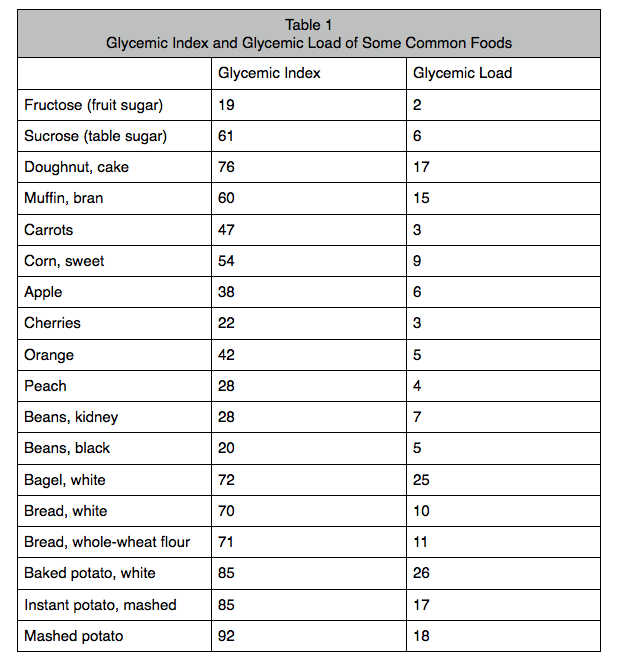
Simply put Glycemic Index is a number ranking given to a food based on how quickly it causes blood sugar to rise. Anything with an index above 60 is to be avoided. Glycemic Load means finding out the sugar impact of a combination of foods, like a meal. The base for the ranking is glucose, which has a Glycemic Index of 100 and glycemic load of 10. The load is based on the complexity of a carbohydrate and its fiber, fat or protein content.

Low Glycemic Load foods are those foods with a value of 10 or below; medium Glycemic Load foods are those foods with a value from 11 up to 19; high Glycemic Load foods are foods with a value of 20+. Since foods that are low in Glycemic Load are typically fruits and vegetables, whole grains, legumes, and lean proteins, a low Glycemic diet is a healthy, balanced diet.

Fruit sugar has an index of 19 and a load of 2 (fruit juice is substantially higher). Table sugar has an index of 61 with a load of 6. Some foods will surprise you. a fresh peach has a glycemic index of 22 and load of 3. Mashed potatoes have an index of 92 and a load of 18! Happily this doesn't mean that you must never eat mashed taters again.

The combination of foods and order in which they are eaten can absolutely bring that number down. For example, If you have a meal of turkey, a small portion of mashed potatoes and a bigger portion of broccoli or squash, the mashed taters won't spike your blood sugar the way they will if eaten first or without other foods. This has to do with the level of fat, protein, and fiber in that combination. This is why I always suggest that you add a good fat or protein to your snack. Many people think that this will make them put on weight. On the contrary, if portions are kept small, you will be surprised at how satisfied you become after only a small snack. With a little practice, you will learn how to manage any party or food buffet that comes your way without binging or being distracted by the tired feeling of overeating and feel really good!

Friday, November 5, 2010

A Calorie is No Longer a Calorie

Many of us were raised counting calories. We bought calorie books and tried to calculate the amount on our plate only to find ourselves hungry shortly after the meal.

During the eighties new science began showing us that the method we were so comfortable with was becoming obsolete. Dr Jenkins' work published in the JAMA began to rock the diet world and flip the food pyramid. The great news is that we now know how to avoid weight and health problems better that our parents did, if we choose to use it.

For example we now understand that two foods with the same amount of calories my have very different effects on the body. A white bagel with fat free cream cheese and a caesar salad have the same amount of calories yet one will spike your blood sugar as quickly as a large candy bar. And that baked potato with fat free sour cream? Same as eating ice-cream. Want more? That fat free yogurt with fruit with that name brand tasty fat free health bar? Regarding the effect on blood sugar you may as well have a piece of apple pie for lunch.

Many of us are unknowingly eating this way several times a day, and becoming addicted to it. In his book, Healthy for Life, Dr. Ray Strand explains that when we become resistant to our own insulin "a calorie is no longer a calorie".  Let me put it in a simple way. Our pancreas was not made to put out insulin at the rate our eating demands it. Insulin is a storage hormone. As we over-produce it after eating, the calories that should be used for energy are converted to belly fat. Then the process begins over again with cravings and more stored fat.

For the next two weeks we will discuss glycemic index and glycemic load. We will learn to begin using this to maintain mental clarity, lasting energy, reduce cravings, and move toward your perfect weight for a lifetime!

Won't that feel good?